|
Greetings ,from sunny (and still very hot) South Texas, where October has arrived without much relief from the heat! Even as autumn approaches, we’re seeing days that feel more like late summer than fall.
I’m re-sending the October edition of The Chiron Briefing to welcome our many new subscribers who joined after its initial release. Going forward, future newsletters will be published on the first of each month.
In this month’s edition of The Chiron Briefing. We’ll cover lessons from the field, spotlight upcoming workshop offerings (both virtual and field-based), and share equipment reviews to help you stay ahead.
Thank you for being part of this community. Let’s continue to learn, train, and push the boundaries together. Feel free to forward this newsletter to anyone you think would find it of interest.
— Paul Bunker & the Chiron K9 Team |
| |
|
Why We Clicker Train All Our Dogs
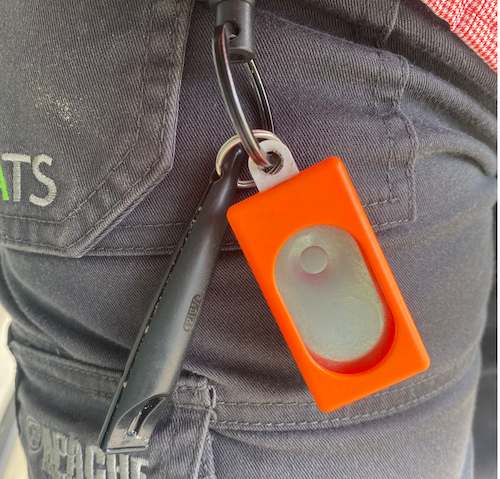
Marker* training is at the heart of how we work with every dog, and for good reason—it does so much more than teach behavior. From the very first session, the clicker acts as a communication bridge, helping dogs shift into a mindset of learning. It’s like flipping a mental switch: they know it’s time to think, engage, and problem-solve.
With the clicker, we can incorporate luring, capturing, and shaping into the dog's understanding of how learning may occur. Then, at any time in future training, I can use these techniques and know the dog already understands how they work.
This means dogs we train learn through exploration, offering behaviors, and building confidence in the process. And here’s the cool part—training becomes chemically rewarding. That click means a dopamine buzz, and soon, dogs are actively seeking the opportunity to learn. They don’t just tolerate training—they crave it.
Clicker training also strengthens the bond between the dog and trainer. It creates clarity, trust, and a shared language. The training space transforms into a place of fun, safety, and excitement. It’s not just where they work—it’s where they win.
Another benefit? I begin to observe whether a dog is more liberal or conservative in its behavior. The characteristics of liberal and conservative are an important factor in the dog's training plan. It will shape whether I need the dog to learn to generalize or if it’s more likely to self-generalize. I may want a conservative or liberal dog for a project, and clicker training starts this assessment process.
The clicker is more than a tool. It’s a mindset, a motivator, and a connection.
Do you want to learn more? I offer a 1-hour virtual or 4-hour in-person (with practical) presentation.
*I use a Clicker, but the principles are the same for any “Marker” – verbal, whistle, tone, vibration, for example. |
| |
ICEFANG Tactical Dog Harness |
| |
|
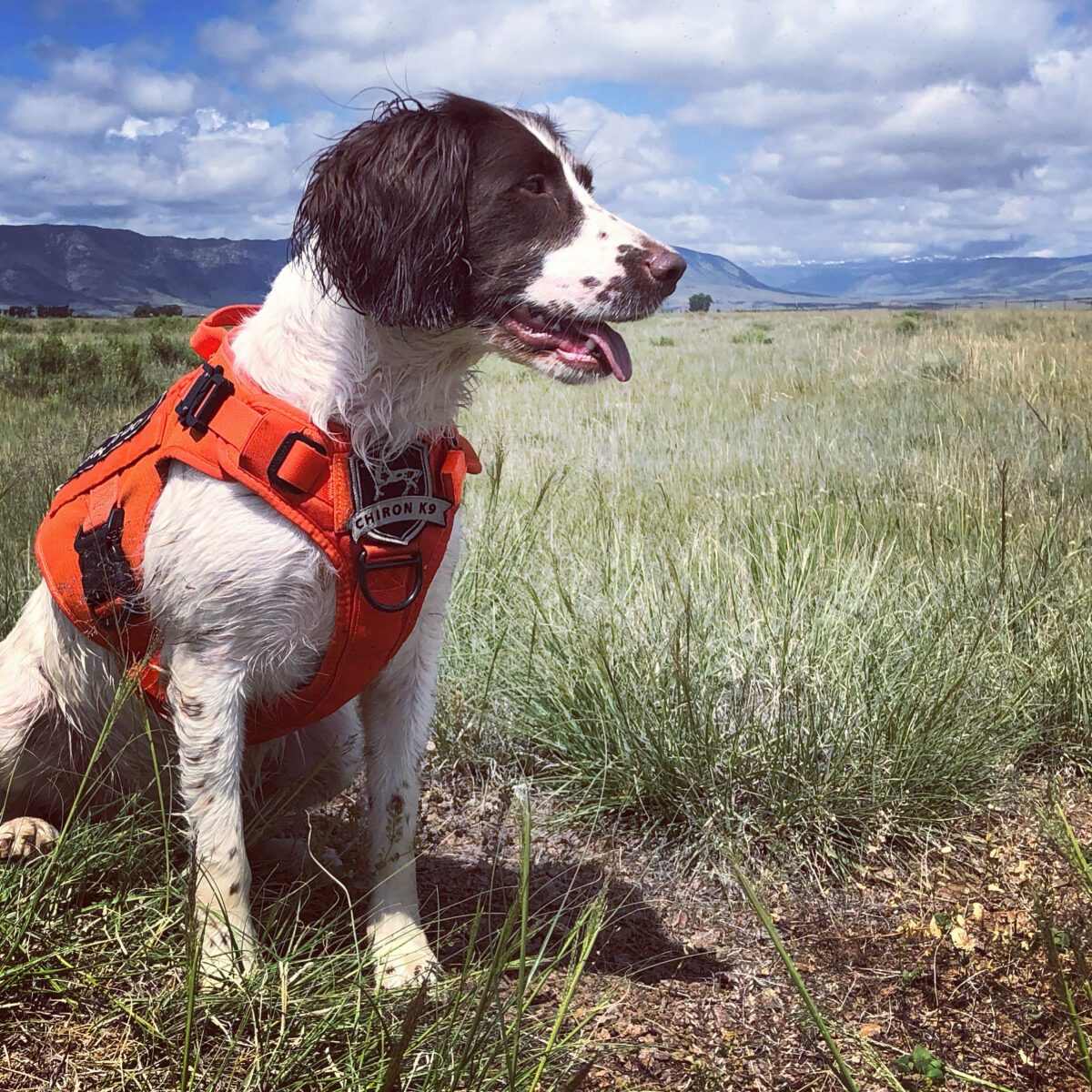
I have used an ICEFANG Tactical Dog Harness for about six years and find it to be a solid, well-constructed harness designed for working dogs. The harness offers control, functionality, and durability. It offers a secure fit, strong hardware, and has design elements I like.
Pros:
- Heavy-Duty Construction: The harness is made from 1050D nylon with reinforced stitching, making it tough enough for rugged use in various environments.
- Metal Buckles: Sturdy load-bearing buckles on the shoulder and belly area add to the overall security and strength of the harness.
- MOLLE System: Both sides include MOLLE webbing for attaching gear, ID patches, or accessories—I have used it for chemlites (chemical lights).
- Multiple Leash Points: Front and back leash attachments give flexibility for control and training.
- Adjustable Fit: Easily adjustable to achieve a snug yet comfortable fit for dogs of various sizes.
Cons:
- Heavier than standard harnesses: Due to its solid build, it may feel bulky and be heavier than other harness types.
- Break-in period: Stiff out of the box, it softens with use.
Overall:
If you're looking for a durable, functional harness for active or working dogs, the ICEFANG Tactical Dog Harness delivers excellent value and performance. Rugged, secure, and versatile—It’s my harness of choice!
Purchased from Amazon: Link |
| |
|
Lesson from the Field: Trust Your Training
During a recent Multi-Agency training event, a handler initially wanted to step in and assist his K9 when the dog showed interest in a search area with no apparent signs of locating a source. Remembering the importance of letting the K9 work, the handler allowed the canine to continue — and the K9 located the source exactly as it had been trained to do.
The lesson: in challenging conditions, resist the urge to solve the problem for your K9. Rely on the foundation you and your dog have built, and trust the training that prepared you both for the field. Allow the K9 to work out the solutions on its own, and you will both learn from the training event.
Watch the video HERE |
| |
|
“Stimulus Control of Odorant Concentration: Pilot Study of Generalization and Discrimination of Odor Concentration in Canines” (DeChant, Bunker & Hall, 2021):
Over the years, I have recognized that training detection canines on specific quantities of target odors can limit the natural ability to generalize to other quantities of the same target substance. So, when I was requested if canines could be trained to respond to specific quantities of a target and ignore lower quantities, I was convinced it could be done. I was honored to partner with Texas Tech University's, Canine Olfaction Lab, for the research.
In this pilot study, the authors explored how detection dogs generalize and discriminate between different concentrations of a single odorant (isoamyl acetate). They found that dogs spontaneously generalized to concentrations up to a 10-fold dilution below the trained odor, but not beyond that threshold. Dogs were then successfully trained to discriminate between the original concentration (0.01) and a lower concentration (0.0025), achieving over 90 % accuracy in six sessions. However, when tested later without reinforcement, the suppression of responses to the lower concentration partially reverted, suggesting that discrimination training alone does not permanently alter generalization behavior. Significantly, when discrimination trials and generalization probes were combined in the same sessions, dogs suppressed responding to the lower concentration more reliably. These findings suggest that (1) dogs’ spontaneous generalization across odor concentrations is limited, (2) discrimination to lower concentrations is possible but context-dependent, and (3) maintaining concentration-based stimulus control may require embedding discrimination and generalization tasks together in training.
This research also emphasizes the critical importance of preventing cross-contamination within training areas, as residual odor can degrade the precision and overall performance of detection canines.
Read the paper HERE
|
| |
|
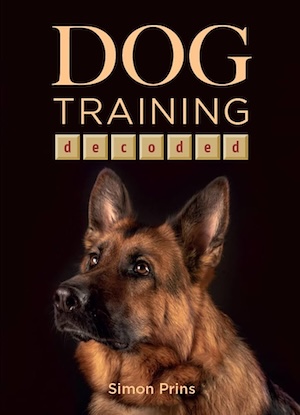
Dog Training Decoded by Simon Prins emphasizes that effective dog training is a balance of science, creativity, and critical thinking. Simon encourages trainers to move beyond rigid routines, instead viewing training as a dynamic process of observation, adaptation, and problem-solving. He highlights the importance of identifying weak points in training systems, maintaining clear communication and trust between handler and dog, and ensuring reliability through varied, realistic environments. The book promotes innovation, data-driven decision-making, and an open-minded approach to continually improve canine performance and trainer competence. I view this book as a foundation of understanding training and especially recommend it to those wishing to start on their training journey. Although, its a must read for any training level. |
| |
|
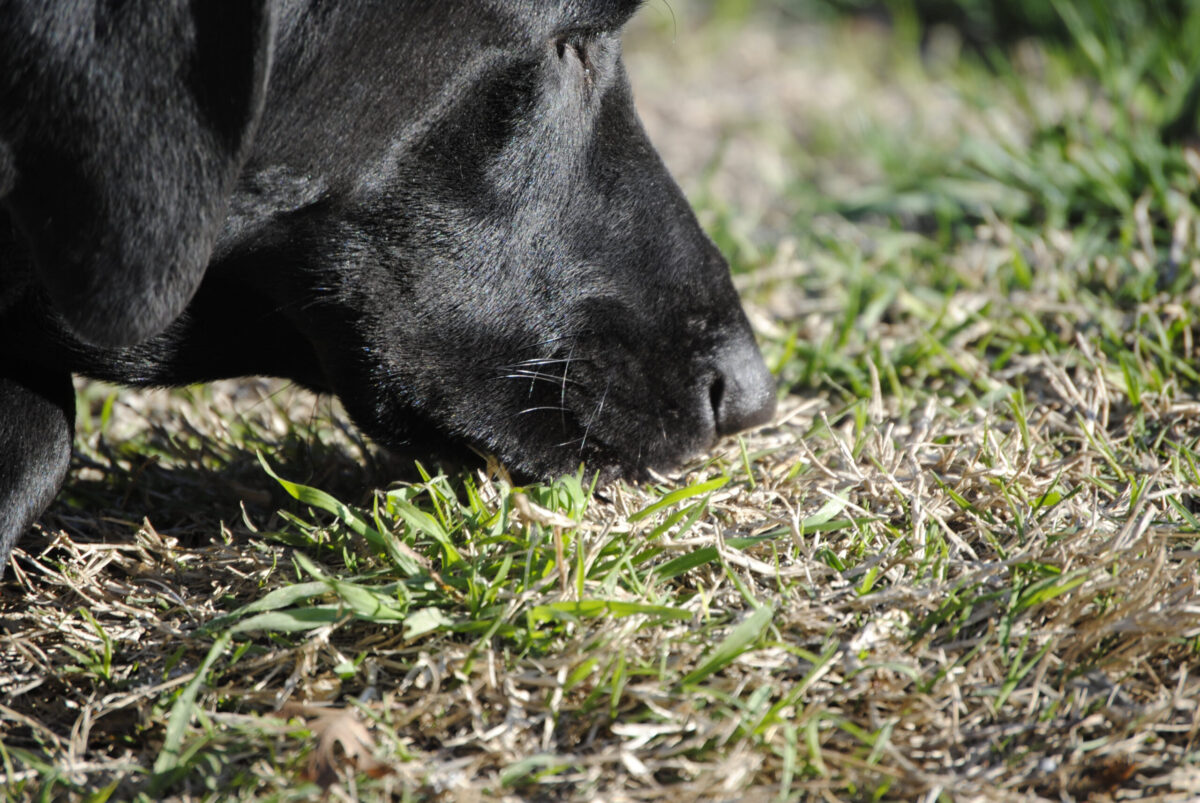
Chiron K9’s Buried Target Workshop is designed to help handlers and trainers understand the unique challenges of scent detection when odor sources are below ground. Participants gain hands-on experience working dogs on buried targets, learning how soil type, moisture, temperature, and depth can all influence odor availability and canine behavior. The workshop combines practical field exercises with evidence-based discussions, giving teams the skills and confidence to interpret canine responses and apply effective search strategies in real-world scenarios. |
| |
|
Looking to advance your skills in detection dog training and handling? Chiron K9 provides tailored mentoring (virtual and in-person), practical workshops, and expert conference presentations worldwide. Whether you’re seeking one-on-one guidance or group learning opportunities, our programs are designed to help you grow with evidence-based practices and real-world experience. |
| |
|