|
Greetings ,
Welcome to the March Issue of The Chiron Briefing
March is shaping up to be one of those months that reminds me exactly why I built Chiron K9 the way I did — operationally grounded, research-driven, and constantly moving forward.
This month, I will be in Colombia conducting a canine detection consulting trip. The focus is on practical application — evaluating systems, advising on capability development, and ensuring detection standards align with real-world risk and operational integrity. Agricultural detection programs sit at a critical intersection of biosecurity, trade, and environmental protection, and it is always a privilege to contribute to strengthening those frameworks.
From there, I will be heading to North Carolina to conduct certifications for cargo detection teams. Certification events are where training meets accountability. Standards matter. Documentation matters. Integrity of process matters. These events ensure that teams are not only operationally capable but also demonstrably reliable.
Back at the Lab, we currently have two canines in for training, both working through structured progression plans designed to build clarity, independence, and reliability. As always, we focus on controlled development, measurable outcomes, and reinforcement strategies that produce durable performance — not short-term gains.
I also have three podcasts being recorded this month, and I’m looking forward to them. Conversations that go beyond surface-level training talk and dive into methodology, standards, odor science, and professional development are important for moving our industry forward.
The response to the release of my new workbook, The Detection of Buried Targets by Canines: Methods, Skills & Training Protocols, has been outstanding. There has been significant interest, and I sincerely hope those who have purchased it use the information to refine their systems, tighten their documentation, and enhance the clarity of their training. The goal has always been simple: provide practical, field-tested methods that elevate both the canine and the handler.
I will also continue enhancing and developing The Detection Dog Lab on Skool — with ongoing Training Tip Tuesdays, Sunday Sermons, equipment reviews, book discussions, and deeper technical conversations. If you are not yet part of the community, you can join here:
👉 https://www.skool.com/the-detection-dog-lab
Finally, behind the scenes, we are preparing for a special research project that I am particularly excited about. More details will follow in due course, but it continues our commitment to advancing detection canine capability through structured experimentation and data-driven methodology.
As always, thank you for being part of this journey. Success through innovation is not a slogan — it is a commitment.
-Paul Bunker and the Chiron K9 team |
| |
|
I have had a number of people asking how to use the Odor Matrix Generator, so I made an instructional video HERE |
| |
|
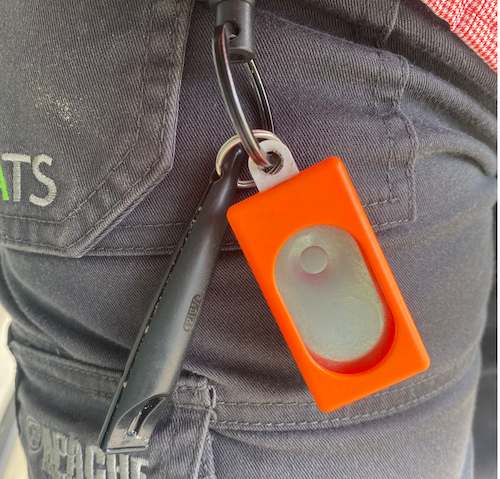
I am often asked what whistle I use for training and handling my canines. There is one simple answer as I have been using the ACME whistle for training and in the field for over 45 years.
The whistle I’ve use is a traditional trainer’s whistle that produces a high-pitched sound dogs can detect at distance. What I appreciate most about this style is the consistency. The tone is reliable, weather-resistant, and carries well outdoors without having to shout cues.
Unlike some modern ultrasonic or adjustable “silent” whistles, which can be hard to control or inconsistent across breeds, a well-made classic whistle delivers a clean, unmistakable signal that dogs quickly learn to associate with specific cues.
For anyone serious about field training, traditional whistles remain a practical, durable, and effective tool — not just because they’re old school, but because they still work. |
| |
|
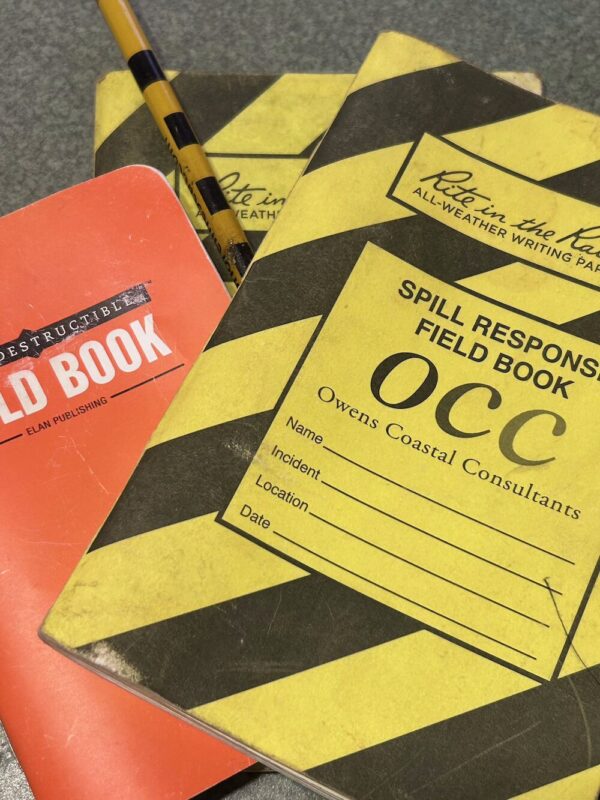
I don’t deploy without a field notebook and a pen or pencil. In an age of apps, GPS tracking, and IPads, it’s easy to assume everything will be captured electronically — until a battery dies, a signal drops, or rain turns your notes into ink soup. I have experienced batteries drain during a survey due to cold conditions or poor phone signal and without a method of data collection to fall back on you are stuck without a solution.
When we’re working detection canines in environmental or research settings, our credibility rests on what we can document: date, time, weather, substrate, waypoints and alert results, deployment duration, negatives, and anything that influenced the search.
If you work outdoors, your notebook needs to survive the environment. I use Rite in the Rain and The Indestructible Field Book because they hold up to water, humidity, sweat, and abuse. Pair it with a pencil or a waterproof pen and you’re covered in almost any condition. |
| |
|
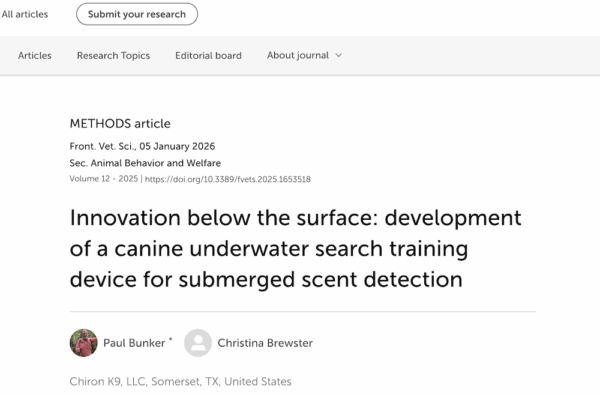
Over the past few years, we’ve been quietly working on something a little different — how to safely and reliably train detection canines to locate submerged scent sources without contaminating the environment.
I’m pleased to share that this work has now been published in Frontiers in Veterinary Science. The paper outlines the development of a purpose-built underwater training device designed to condition dogs to detect submerged and sunken targets — including oil — from the bow of a vessel.
This wasn’t just about building equipment. It was about solving a practical problem: how do we train for underwater detection in a controlled, ethical, and scientifically defensible way? The device allowed us to introduce submerged odor methodically, collect meaningful data, and move the discipline forward without compromising environmental integrity.
For me, this paper represents another step in treating detection canines not simply as operational assets, but as measurable, research-supported environmental monitoring tools.
If you’re interested in the science and methodology behind it, you can read the full paper HERE
As always, grateful to the collaborators who helped bring it to life — and excited about where this line of work is heading next. |
| |
The Detection of Buried Targets by Canines.
|
| |
|
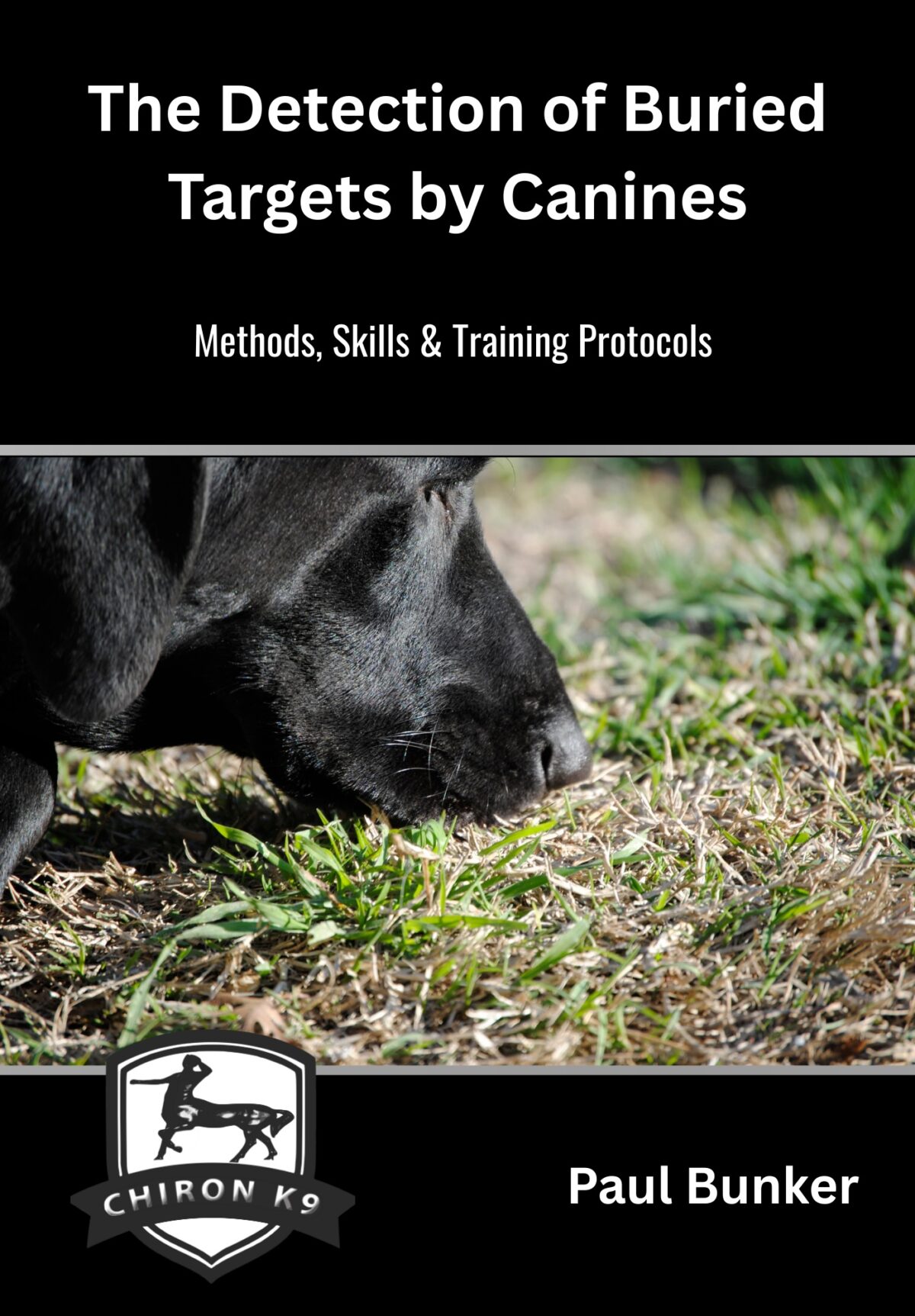
Over the past few years, I’ve been refining and documenting the protocols I use for buried target detection — in sand, loam, clay, variable moisture, and operational environments.
I’m pleased to share that this work is now compiled into my new workbook:
The Detection of Buried Targets by Canines: Methods, Skills & Training Protocols.
This isn’t a theoretical text. It’s a practical, field-driven guide built around structured progression, contamination control, environmental variables, documentation, and defensible methodology. It walks through imprinting considerations, soil dynamics, and the importance of clean training design.
Buried target detection is often discussed — but rarely broken down in a systematic way that allows handlers to build reliability and operational credibility. This workbook is designed to change that.
Whether you’re working explosives, wildlife contraband, invasive species, HRD, or environmental contaminants, the principles of odor movement in substrate and disciplined training progression remain the same.
As always, my aim is simple: raise standards, improve clarity — not guesswork.
The workbook is now available HERE |
| |
|
Looking to advance your skills in detection dog training and handling? Chiron K9 provides tailored mentoring (virtual and in-person), practical workshops, and expert conference presentations worldwide. Whether you’re seeking one-on-one guidance or group learning opportunities, our programs are designed to help you grow with evidence-based practices and real-world experience. |
| |
|
Thank you for reading this issue of The Chiron Briefing. If you enjoyed it, feel free to share it, forward it, or send me suggestions for future topics. Until next month—train well and take care.
Paul Bunker & the Chiron K9 team
|
| |
|